TREATMENT OPTIONS
Medically reviewed by Dr James Thing, MBBS, BSc, MRCGP, FFSEM — Sport and Exercise Medicine Consultant
Shockwave therapy (also known as Extracorporeal Shockwave Therapy or ESWT) is a non-invasive treatment that uses high-energy sound waves to stimulate healing in damaged tendons, muscles and other soft tissues. It is particularly effective for chronic musculoskeletal conditions that have not responded to other conservative treatments.
At Joint Care London, our experienced clinicians deliver shockwave therapy at our Portobello clinic using focused sound energy to promote tissue repair, reduce pain and restore function — without the need for injections or surgery.
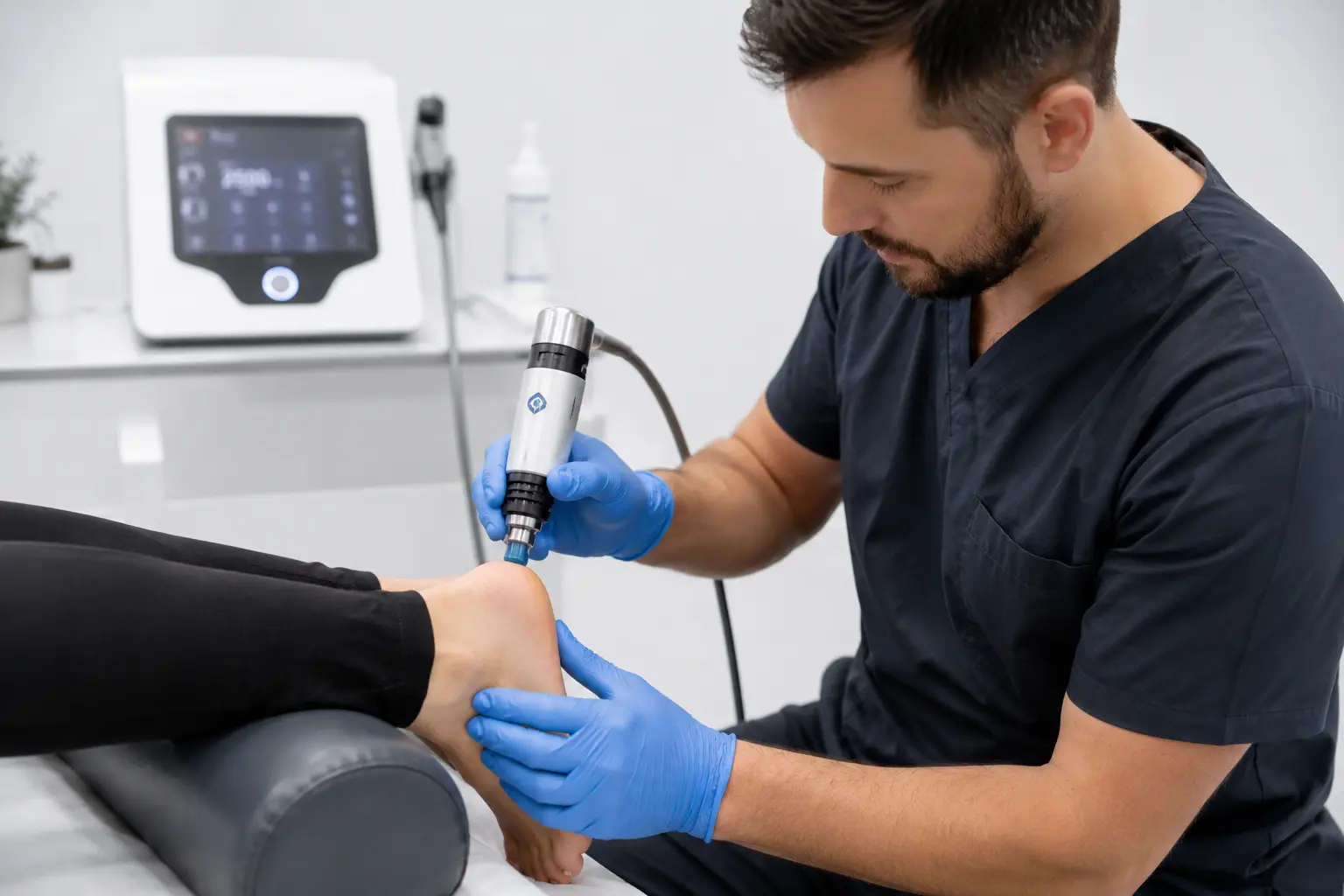
Plantar Fasciitis: One of the most common causes of heel pain, plantar fasciitis involves inflammation of the thick band of tissue running along the bottom of the foot. Shockwave therapy stimulates healing in this tissue and provides lasting pain relief for patients who have not responded to physiotherapy or orthotics.
Achilles Tendinopathy: Degeneration of the Achilles tendon causes pain and stiffness at the back of the heel, particularly in active individuals. Shockwave therapy promotes tendon remodelling and reduces chronic pain in both insertional and mid-portion Achilles tendinopathy.
Patellar Tendinopathy: Also known as "jumper's knee", this condition affects the tendon connecting the kneecap to the shin bone. Shockwave therapy can accelerate recovery and improve function in patients with persistent patellar tendon pain.
Greater Trochanteric Pain Syndrome: This condition causes pain on the outer side of the hip, often due to gluteal tendinopathy or bursitis. Shockwave therapy can effectively reduce pain and improve hip function where other treatments have had limited success.
Tennis Elbow (Lateral Epicondylalgia): Chronic pain and tenderness on the outer elbow due to tendon degeneration responds well to shockwave therapy, particularly in long-standing cases resistant to physiotherapy or steroid injections.

No injections, no surgery and no anaesthetic required. Shockwave therapy is performed in an outpatient clinic setting with minimal discomfort.

Shockwaves trigger the body's own repair processes, increasing blood flow and encouraging the production of new collagen in damaged tissue.
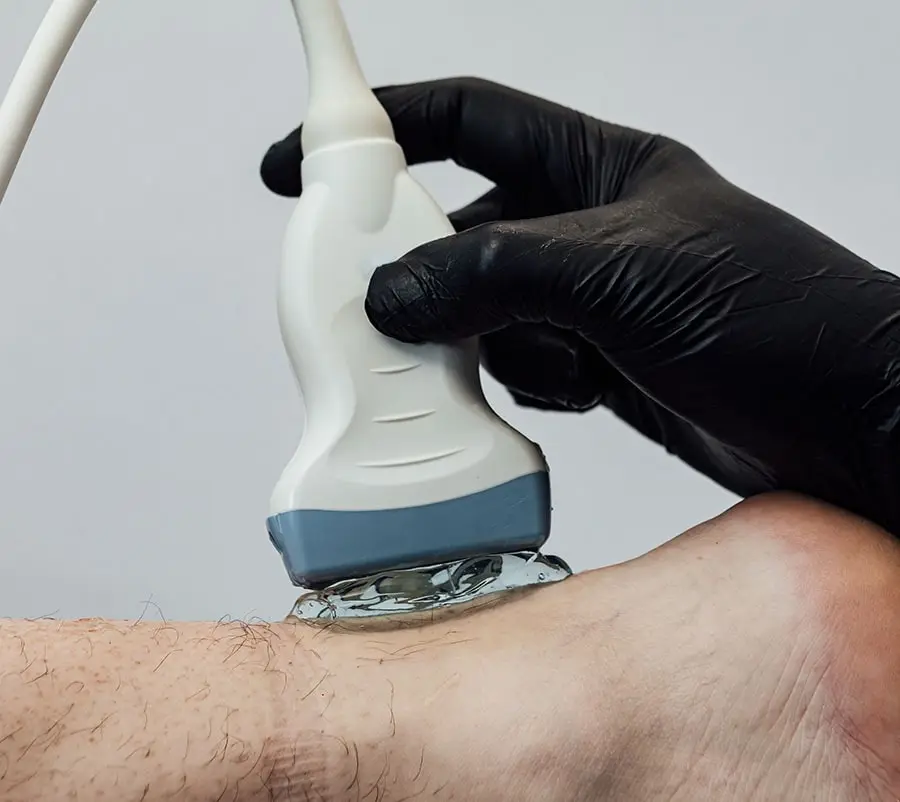
Shockwave therapy is especially beneficial for long-standing tendon conditions where other treatments including physiotherapy and steroid injections have not provided lasting relief.
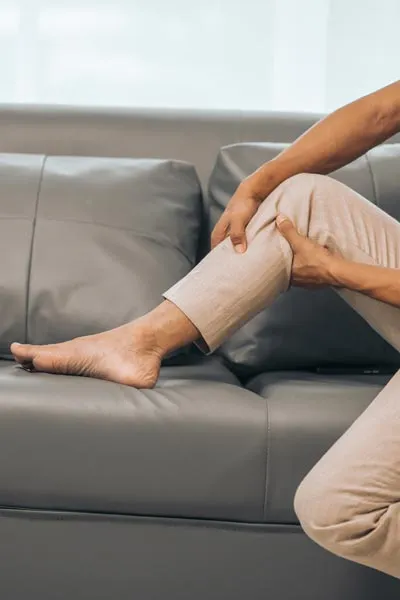
Each treatment session takes approximately 15–20 minutes. A course of 3–6 sessions is typically recommended, spaced one week apart.
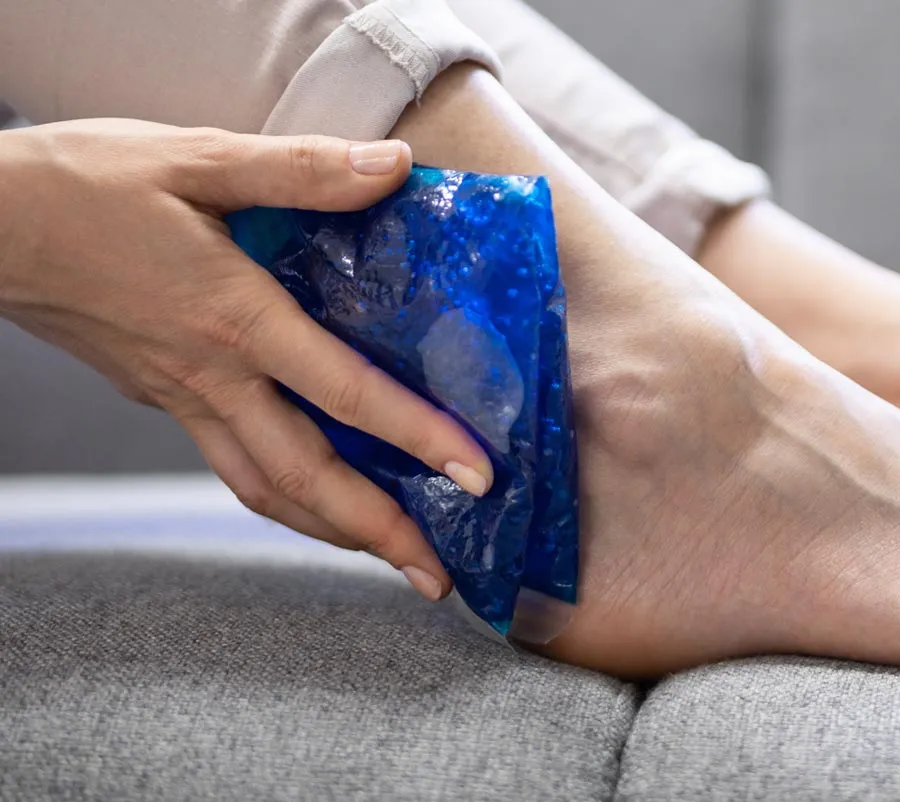
Most patients can return to their normal activities shortly after treatment, making shockwave therapy a practical option for busy individuals.
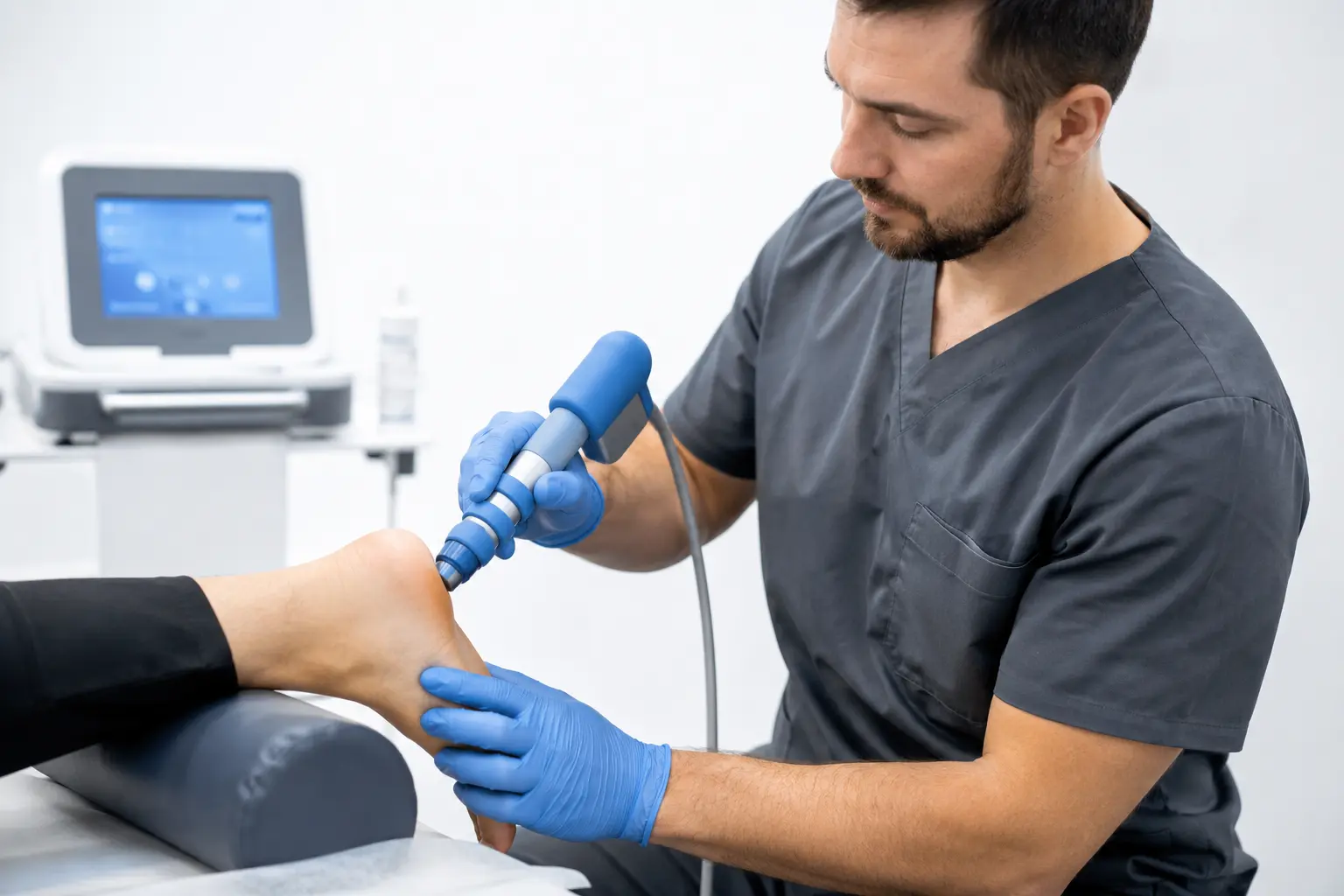
Shockwave therapy is currently available at our Portobello clinic in London. If you would like to find out whether shockwave therapy is right for you, please get in touch with our team to book a consultation.
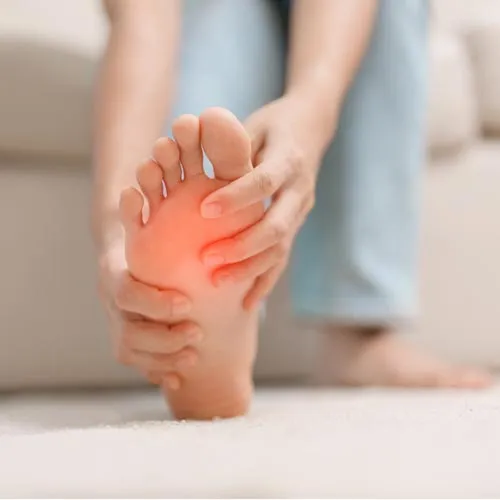
A course of shockwave therapy typically consists of three to five sessions at weekly intervals. Each session takes around 20–30 minutes. Treatment can be mildly uncomfortable but is well tolerated, requires no anaesthetic and you can return to normal daily activities immediately afterwards. We advise avoiding high-impact exercise for 48 hours after each session. Improvement usually builds gradually over the course of treatment and in the weeks that follow.
Most tendon conditions are treated with a course of three to five sessions at weekly intervals. Your consultant will review your response during the course.
You will feel a tapping or pulsing sensation over the treatment area, which can be mildly uncomfortable — the intensity is adjusted to your tolerance. Any post-treatment soreness usually settles within a day.
Some patients notice early relief after the first sessions, but the biological healing response builds over weeks. Maximum benefit is typically seen 6–12 weeks after completing the course.
Yes — staying active is encouraged, and shockwave works best alongside a progressive loading programme. We advise avoiding high-impact activity for 48 hours after each session.
Find out how our team of experienced medical consultant doctors can help you to live more
comfortably and assist you on your journey to better health.